
Multimodal AI Development Company
We build AI systems that see, read, hear, and reason together — combining vision, language, audio, video, and document understanding into a single application instead of stitching together isolated single-modality tools.

Trusted by Industry Leaders Across Global Markets — leading organizations choose Antier as their multimodal AI development partner for building AI systems that understand text, images, audio, video, and documents together.












Our Multimodal AI Development Services Built Around How Enterprise Data Actually Looks
Enterprise information rarely arrives as clean text. It shows up as scanned invoices, product photos, support call recordings, inspection videos, and chat transcripts, often describing the same event from different angles. As a multimodal AI development company, we build systems that process and reason across these formats together, rather than treating each one as a separate integration problem.
Vision-Language Model Development
We build and fine-tune vision-language models that can look at an image and reason about it in natural language, reading a defect on a production line, describing a product photo, or answering questions about a chart. These models ground visual input directly in the same reasoning process used for text, so an application understands a screenshot or photograph with the same fluency it applies to a written question.
Speech-to-Text and Text-to-Speech Integration
We integrate speech recognition and speech synthesis into AI applications so users can talk to a system and receive a spoken response, with the underlying model reasoning over the same context as a text based interaction. This includes handling accents, background noise, domain vocabulary, and the real time streaming requirements that make production voice AI different from a demo.
Document AI and Intelligent Document Processing
Documents combine layout, images, and text in ways that plain text extraction cannot capture. We build document AI pipelines that understand table structure, form fields, stamps, signatures, and embedded images alongside the surrounding text, producing structured output that downstream systems can act on directly.
Video Understanding and Generation
We build systems that extract meaning from video, identifying events, objects, and actions across frames, summarizing footage, and answering questions about what happened in a clip, as well as systems that generate short form video content from prompts, scripts, or existing assets. Video work typically combines frame level vision models with temporal reasoning across the sequence.
Multimodal Search and Retrieval
Traditional search assumes everything is text. We build retrieval systems that let users search across images, documents, audio transcripts, and video using natural language, and that let one modality retrieve information stored in another, finding a product by photo, finding a clause by describing its intent, or finding a support recording that matches a written complaint.
Unified Multimodal Application Development
Most real business use cases need modalities working together inside one experience, not as separate tools a user has to switch between. We build applications where a single interaction, a support ticket, a field inspection, a customer call, can include a screenshot, a spoken description, and a chat message, with the system reasoning over all of it as one input.
Ready to Build an AI System That Sees, Reads, and Listens Together?
Discuss Your Multimodal AI Project ↗The Numbers Behind Our Multimodal AI Expertise
Years of Experience
AI & Tech Experts
Global Clients
Projects Delivered
Real World Multimodal AI Outcomes
Our project experience spans vision-language applications, document intelligence pipelines, and voice enabled assistants built for enterprise environments where getting modalities to work together reliably is the whole point.
 Sales AI
Turn Every Sales Conversation into Closure
An AI-powered Lead-to-Closure platform that supports sales teams before, during, and after every call, turning conversations into tasks, proposals, MoMs, and CRM updates in real time.
Read more ↗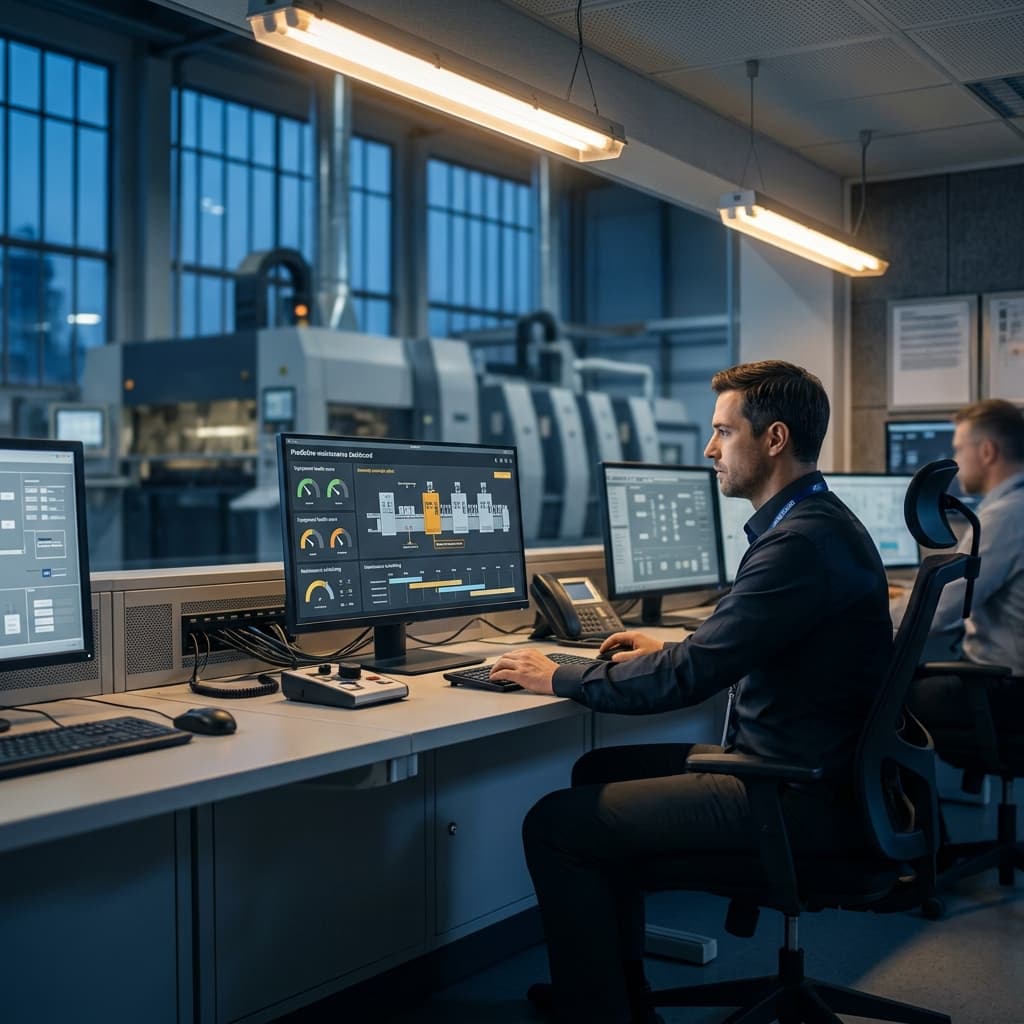 Manufacturing
AI-Powered Predictive Maintenance Solution for the Manufacturing Industry
The manufacturing industry faces unexpected equipment failures and costly downtime. This case study covers an AI-powered predictive maintenance solution.
Read more ↗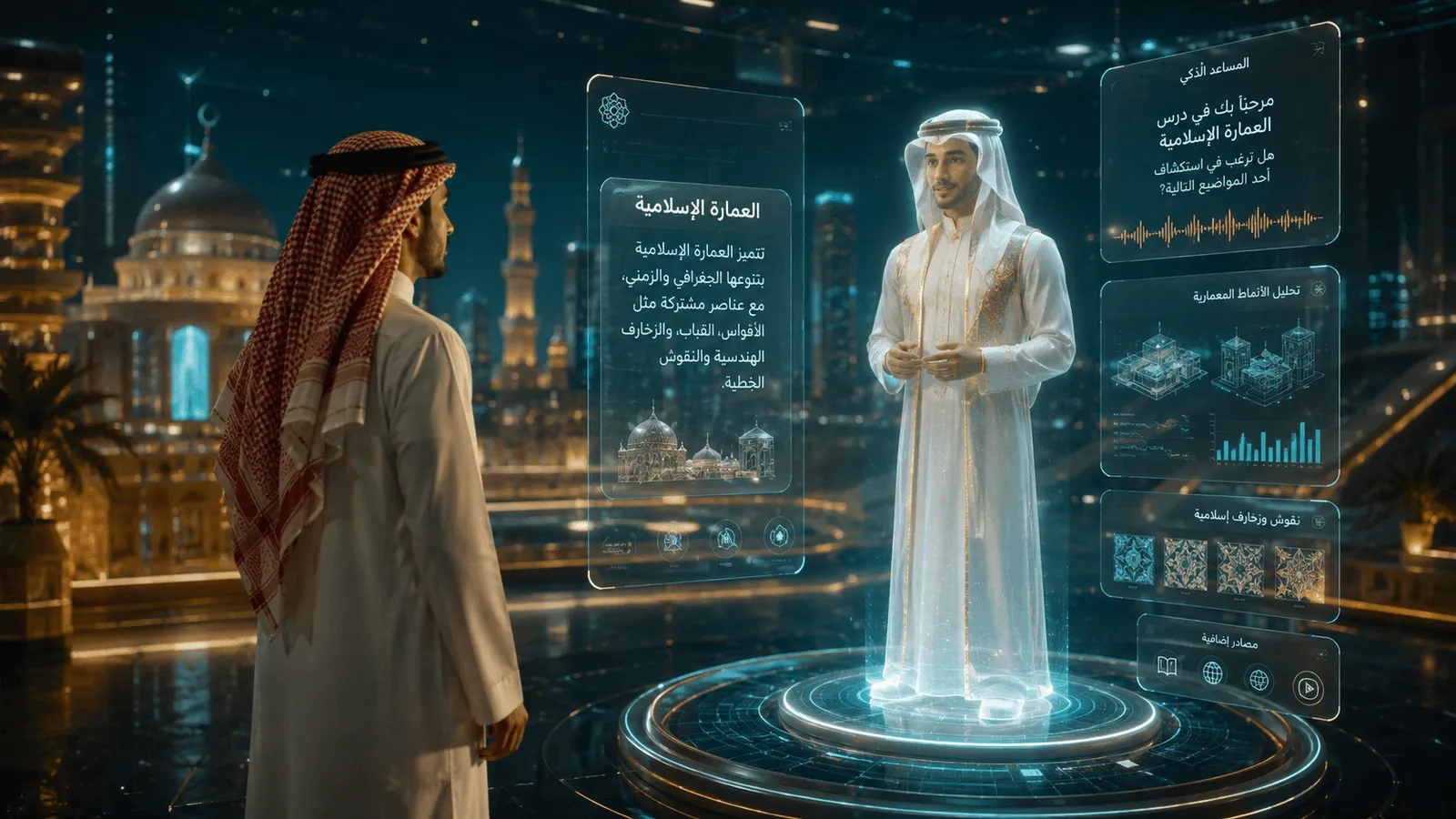 Education
Conversational AI Voice Agent for Mishkat Metaverse
Antier engineered a bilingual conversational AI Voice Agent for Mishkat Metaverse, an immersive education platform commissioned by King Abdullah City for Atomic and Renewable Energy, supporting AI-powered learning at a national scale.
Read more ↗Multimodal AI Use Cases We Build for Enterprise Teams
The most valuable multimodal AI applications tend to appear at the point where a business process already involves more than one kind of information: a photo attached to a claim, a call recorded alongside a chat log, a scanned form next to a structured record. We design systems around that reality instead of forcing every input through a text only interface.
Visual Inspection with Automated Reporting
Field technicians and quality teams capture photos or video of equipment, products, or job sites, and the system identifies defects, damage, or compliance issues and drafts a structured report describing what it found, in the same language a human inspector would use.
Voice Assistants with Visual Context
Support and field service assistants that combine spoken input with what a user is looking at, a product, a screen, a piece of equipment, so a technician can ask a question out loud while pointing a camera at the problem and get an answer grounded in both the voice query and the visual context.
Document Processing Pipelines
End to end pipelines that ingest invoices, contracts, claims forms, or identity documents, extract structured data from layout and text together, validate it against business rules, and route exceptions for human review, replacing manual data entry with a system that reads documents the way a person does.
Multimodal Customer Support Agents
Support agents that read a customer's chat message and a screenshot of an error together, understanding what the customer typed and what they were looking at when the problem occurred, instead of asking the customer to describe a visual issue in words alone.
Claims and Underwriting from Photos and Text
Insurance and financial services workflows that combine photos of damage, scanned documents, and written claim descriptions into a single assessment, helping adjusters and underwriters work through evidence that would otherwise require reviewing each format separately.
Video Content Moderation and Summarization
Systems that review video content for policy violations, generate searchable summaries of long recordings, or extract key moments from meetings, training footage, or user generated content, without requiring a person to watch every minute.
Multimodal Product Search and Discovery
Retail and marketplace search experiences where a customer can search using a photo, a written description, or both together, and get results ranked on visual similarity and semantic meaning at the same time.
Clinical and Field Documentation Support
Assistants that combine spoken notes, photographs, and existing records to help clinicians, inspectors, or field staff produce accurate documentation faster, without manually transcribing what they saw and said after the fact.
Contact Center Intelligence Across Voice and Screen
Systems that analyze call audio alongside screen activity and chat transcripts to understand the full context of a customer interaction, supporting quality monitoring, coaching, and issue detection that audio transcripts alone would miss.
Turn Multi-Format Business Data into a Single Intelligent Workflow
Talk to Our AI Team ↗The Modality Combinations Behind Our Multimodal AI Solutions
Multimodal AI is a broad label for several distinct technical problems. We work across the specific combinations that show up most often in enterprise environments, each with its own modeling, latency, and integration considerations.
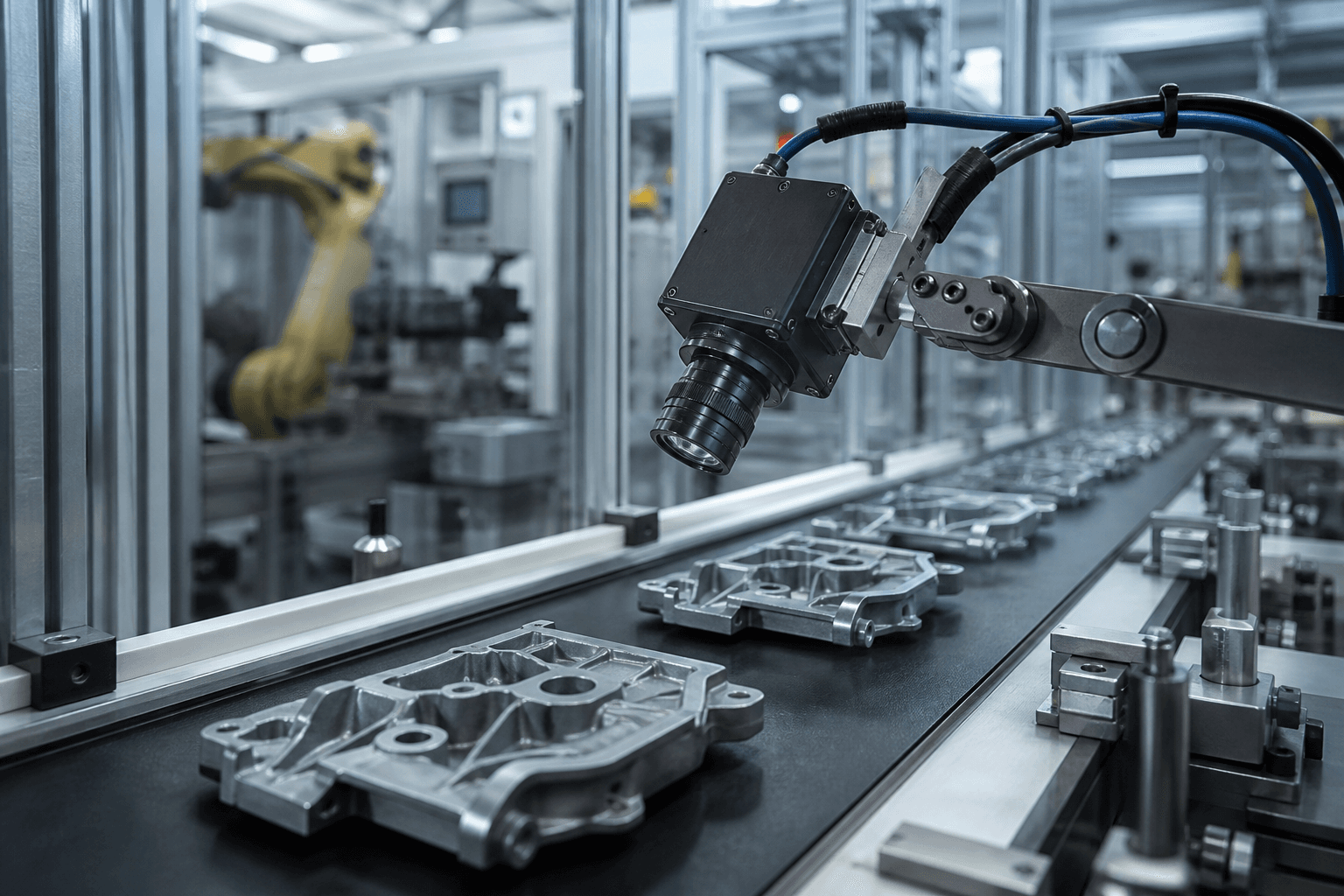
Image Understanding and Description
Interpreting photographs, diagrams, charts, and screenshots and generating accurate natural language descriptions or answers about their content.
Visual Question Answering
Letting users ask specific questions about an image, a product, a defect, a document page, and returning grounded answers rather than generic captions.
Chart and Diagram Interpretation
Reading structured visual content like charts, technical diagrams, and dashboards, and translating it into text based reasoning and summaries.

Speech Recognition for Domain Language
Transcribing spoken input accurately even with industry terminology, accents, overlapping speakers, and background noise typical of real operating environments.
Natural Sounding Speech Synthesis
Generating spoken responses that sound natural and can be tuned for tone, pacing, and voice identity appropriate to the brand or use case.
Voice Driven Conversational Interfaces
Combining recognition and synthesis with the same reasoning layer used in text interfaces, so a spoken conversation has access to the same context and capability as a typed one.
Temporal Event Detection
Identifying actions, events, and state changes across a sequence of frames rather than analyzing isolated images.
Video Summarization and Search
Producing text summaries of video content and enabling natural language search across footage without manual tagging.
Short Form Video Generation
Generating video content from text prompts, scripts, or reference assets for marketing, training, or product use cases.

Layout Aware Extraction
Understanding where information sits on a page, tables, form fields, headers, signatures, rather than treating a document as a flat stream of text.
Mixed Content Parsing
Handling documents that combine printed text, handwriting, stamps, logos, and embedded images within the same page.
Structured Output for Downstream Systems
Converting unstructured document content into structured data formats that ERPs, CRMs, and business applications can consume directly.
Technical Challenges of Multimodal AI Systems and How We Address Them
Multimodal AI systems introduce engineering challenges that single modality applications do not face. Addressing them well is what separates a working demo from a production system enterprises can depend on.
Unified Multimodal Models vs. Modular Pipeline Architectures
One of the first architectural decisions in a multimodal AI project is whether to use a single model natively trained across modalities or to orchestrate multiple specialized models together. Each approach carries real tradeoffs, and the right choice depends on the use case.
| Comparison Factors | Unified Multimodal Model | Modular Pipeline Approach |
|---|---|---|
| Best Fit | Use cases where modalities are tightly coupled, like answering questions about an image | Use cases where modalities can be processed independently, like transcribing audio then analyzing the text |
| Latency | Lower for combined tasks, since one model handles the full input | Higher, since each model hop adds processing time |
| Cost Predictability | Simpler to estimate, one model call per request | More variable, cost depends on how many models a request touches |
| Flexibility | Harder to swap out one modality's capability independently | Easier to upgrade or replace individual models as better ones become available |
| Accuracy for Specialized Tasks | Can trail best in class single modality models for niche tasks | Can use the best available model for each modality's specific task |
| Engineering Overhead | Lower once integrated, fewer moving parts to orchestrate | Higher, requires pipeline orchestration and failure handling |
Not Sure Which Multimodal Architecture Fits Your Use Case?
Get an Architecture Recommendation ↗Our Multimodal AI Development Approach
Building multimodal AI systems requires a development process that accounts for multiple data types, multiple models, and the integration work needed to bring them together reliably.
Use Case and Modality Assessment
We start by identifying which modalities are actually relevant to the business problem, what data already exists for each one, and where combining modalities creates value versus adding unnecessary complexity.
Data Audit and Preparation
We assess the volume, quality, and format of available images, documents, audio, and video, and prepare the datasets, annotations, and preprocessing pipelines needed to support model development and evaluation.
Architecture Selection
We decide between unified multimodal models, modular pipelines, or a hybrid approach based on latency, cost, and accuracy requirements specific to the use case, rather than defaulting to one pattern.
Model Selection and Fine-Tuning
We evaluate available foundation and specialized models for each modality involved, and fine-tune or adapt them to domain specific vocabulary, visual patterns, or audio conditions where general purpose models fall short.
Integration and Orchestration
We build the orchestration layer that coordinates models across modalities, manages state, handles partial failures, and merges outputs into a single coherent response.
Evaluation Across Modalities
We test accuracy at each stage of the pipeline and end to end, using evaluation sets that reflect real world conditions rather than clean benchmark data alone.
Deployment and Latency Optimization
We deploy the system with attention to real time performance requirements, using model routing, caching, and parallel processing to keep response times acceptable.
Monitoring and Continuous Improvement
Once live, we monitor accuracy and performance across each modality independently, since a drop in quality can originate in any part of the pipeline, and continue refining models as usage patterns and data evolve.
The Technologies We Use to Build Multimodal AI Systems
Multimodal AI development draws on a wider set of models and infrastructure than text only AI, spanning vision, speech, video, and document specific tools alongside the orchestration layers that bring them together.
Vision-Language Models
Speech Recognition and Synthesis
Document AI and OCR
Video Understanding and Generation
Multimodal Vector Databases and Retrieval
Orchestration and Agent Frameworks
Cloud and AI Infrastructure
What Our Clients Say About Working With Antier on Multimodal AI
The value of our multimodal AI development services shows up in how naturally different formats of business data come together inside a single working system.
Our field teams were documenting inspections with a mix of photos, voice notes, and handwritten forms, and none of it connected until later. Antier built a system that lets a technician point a camera at equipment, describe what they see out loud, and get a structured inspection report automatically. It changed how quickly issues get escalated.
We had years of scanned contracts and claim documents that our text based tools could never fully process because so much of the important information was in tables, stamps, and attached images. Antier's document AI work let us extract that information accurately and route exceptions for review, cutting manual processing time significantly.
Bringing voice and visual context together for our support agents was more technically demanding than we expected, and Antier's team clearly understood the tradeoffs between latency, cost, and accuracy at every step. The result is a support experience that feels genuinely smarter, not just faster.
Bring Vision, Voice, and Documents Into One AI System
Schedule a Discovery Call ↗Why Businesses Choose Antier for Multimodal AI Development
Multimodal AI projects demand expertise across vision, speech, language, and document processing at once, along with the systems engineering needed to make them work together reliably in production.
Cross-Modality Technical Depth
Our team works across vision-language models, speech systems, document AI, and video understanding rather than specializing narrowly in one modality, which matters when a use case genuinely requires combining several of them.
Production Focused Engineering
We build for the latency, cost, and reliability constraints of real deployments, not proof of concept demos, with particular attention to how a multimodal pipeline behaves when one component underperforms.
Security and Confidentiality by Design
Multimodal systems often process sensitive images, recordings, and documents. Antier operates within NDA backed environments with secure infrastructure and controlled access frameworks across every engagement.
Transparent Project Execution
Clear communication, defined milestones, and visibility into technical decisions help stakeholders understand tradeoffs like model selection and architecture choices throughout the project.
Flexible Engagement Models
We support startups piloting a single multimodal use case as well as enterprises building multimodal capability across several business units, with delivery models that scale accordingly.
Multimodal AI Development Cost: How Antier Evaluates Project Scope
Multimodal AI projects tend to cost more than single modality applications because they involve more models, more data preparation, and more integration work. At Antier, we evaluate each engagement through structured discovery to scope investment accurately.
Number and Combination of Modalities
A project combining two modalities, like documents and text, typically requires less effort than one spanning vision, audio, and video together. We define scope based on which modalities are truly necessary for the use case.
Data Readiness Across Formats
Multimodal projects often need preparation across multiple data types at once, images, audio, video, and text, and gaps in any one of them can affect the overall timeline. We assess data readiness for each modality early in the engagement.
Model Selection and Customization
Whether the project uses off the shelf foundation models, fine-tuned versions, or custom trained components affects both cost and timeline. We evaluate the tradeoffs for each modality rather than assuming one model strategy fits the whole system.
Real Time Performance Requirements
Use cases requiring live voice interaction or real time visual analysis need more engineering investment in latency optimization than batch processing use cases like document digitization.
Enterprise Integration Scope
Connecting a multimodal system to existing CRMs, ERPs, document management systems, and communication platforms adds implementation effort that we scope during discovery.
Ongoing Model and Infrastructure Management
Multimodal systems typically involve more moving parts to monitor and maintain than single modality applications. We help organizations plan for the ongoing support this requires.
Why Multimodal AI Is Becoming an Enterprise Priority
The shift toward multimodal AI reflects a simple reality: most business information was never text only to begin with.
of enterprise data is unstructured
Most enterprise information lives in documents, PDFs, scanned forms, images, audio recordings, and video rather than clean text or tables, which is exactly the data multimodal AI systems are built to work with.
core modalities enterprise AI must increasingly unify
Text, images, audio, video, and structured data each carry different signal, and systems that combine them capture context that single modality tools miss entirely.
multimodal GenAI recognized as a leading enterprise AI priority
Industry analysts including Gartner have highlighted multimodal generative AI among the technology trends reshaping enterprise AI strategy, reflecting how quickly organizations are moving past single modality pilots.
demand for systems that read, listen, and see together
As generative AI moves from experimentation to production, enterprises increasingly want assistants and pipelines that combine chat, documents, images, and voice in a single workflow rather than separate point solutions.
Spotlight on Insights
Antier's industry insights help enterprises stay informed on multimodal AI development, vision-language models, document intelligence, and the technical considerations of combining modalities in production systems.
 FinTech AI
The Fintech AI Integration Gap: Why AI Adoption Isn't Turning Into Profit
A maturity framework — Bolted-On, Wired-In, Compounding — for turning AI spend into compounding returns in financial services. Why 80%+ adoption still leaves most firms without a profitability gain.
 AI Governance
The Rise of Shadow AI Agents: What CIOs Need to Control Before They Scale
Shadow AI agents can act across enterprise systems without central oversight. Learn what CIOs need to discover, govern, secure, and monitor before agentic AI scales.
 Agentic AI
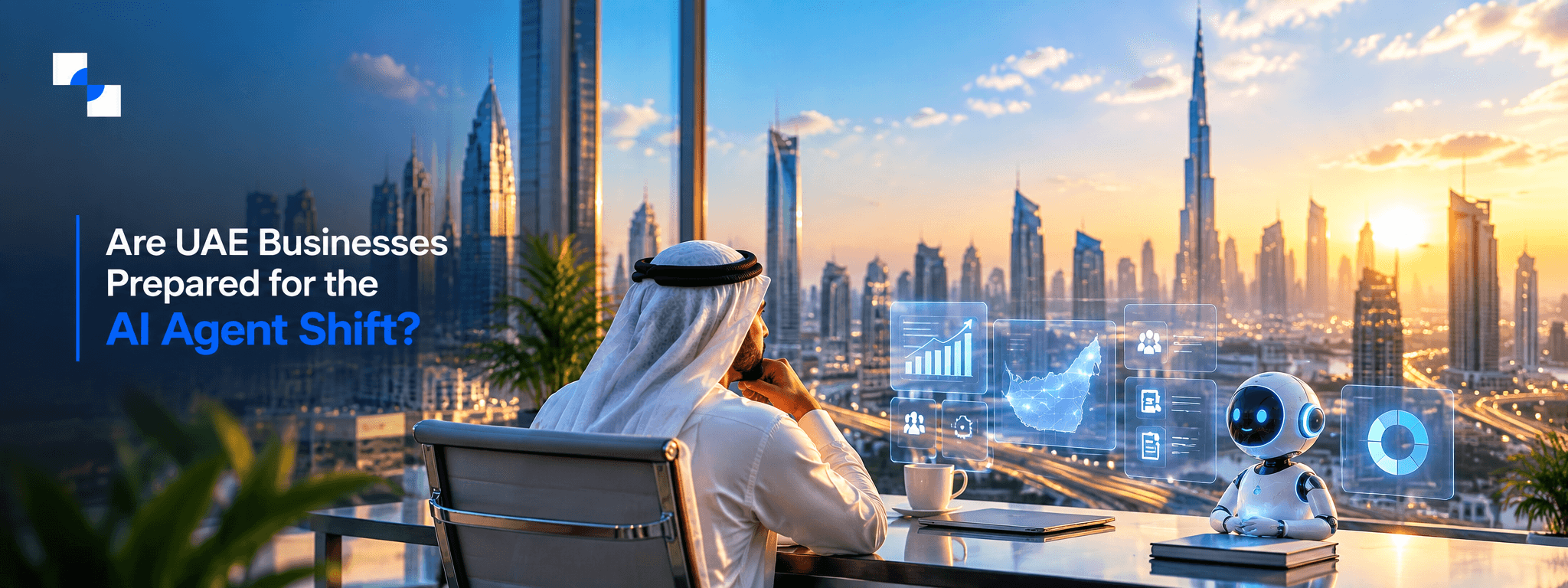
The UAE Is Moving From AI Assistants to AI Agents: What Business Leaders Need to Prepare For
The UAE is moving beyond AI assistants toward AI agents that reason, plan, and execute tasks. Learn where AI agents fit and what business leaders need to prepare for.
FAQs
Start a conversation with Antier
Connect with our consulting and engineering leads to scope your digital transformation from architecture review to production deployment.