
AI Agent Development Company
The value of AI is no longer measured by what it can say, but by what it can accomplish. Build intelligent AI agents with our AI agent development services that reason, plan, and execute business tasks grounded in your goals, workflows, and data.
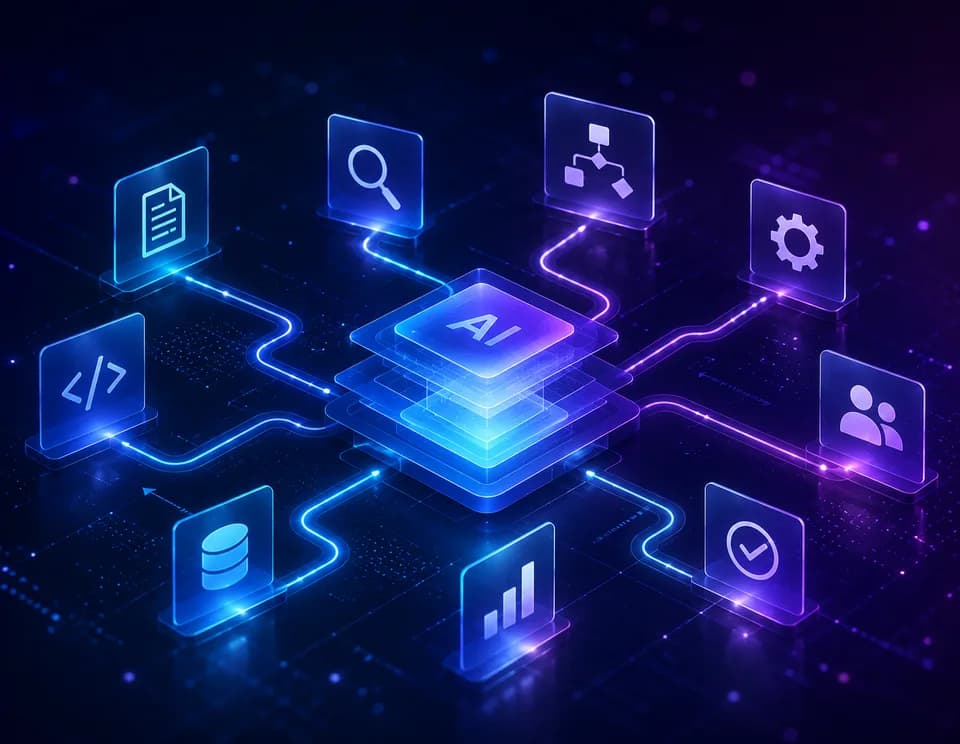
Leading businesses rely on Antier for AI agent development services that combine deep technical expertise with practical business understanding.












Our End-to-End AI Agent Development Services
From strategy and architecture to deployment and continuous improvement, our AI agent development services cover every stage of the AI agent lifecycle. We create purpose-built solutions that help businesses automate work, support better decisions, and unlock new opportunities for growth.
Custom AI Agent Development
As a top AI agent development company, we deliver custom AI agent and autonomous AI agent development services that enable agents to reason, plan, interact with business applications, and complete complex tasks with minimal human intervention.
AI Agent Strategy and Discovery
Every successful AI agent starts with a clear understanding of business objectives and operational priorities. Our AI agent strategic experts help businesses identify high-value opportunities, define agent responsibilities, select suitable models, and design an AI agent architecture that supports long-term growth.
AI Agent Architecture and Multi Agent Systems
Design scalable AI agent architecture that supports secure, reliable, and collaborative execution. We develop autonomous AI agents and multi agent environments using the right AI agent framework so specialized agents can share context, coordinate responsibilities, and accomplish complex business objectives together.
AI Agent Platform and Business Connectivity
A successful AI agent platform connects intelligence with day-to-day business operations. We build agents that work with your business applications, knowledge repositories, communication channels, and digital workflows, helping organizations create connected AI agents for business without disrupting existing systems.
LLM Engineering and Agent Intelligence
The quality of an AI agent depends on the intelligence behind every decision. Our team strengthens agent performance through model refinement, retrieval based knowledge, prompt engineering, evaluation, and continuous learning so every agent delivers accurate, context-aware, and reliable responses across business scenarios.
AI Agent Operations and Lifecycle Management
Launching an agent is only the beginning. Our AI agent development services include continuous monitoring, governance, performance assessment, knowledge updates, and model refinement to help your AI agents adapt to changing business needs while delivering consistent long term value.
Get our AI Agent development services tailored to your business needs
Discuss Your Requirements ↗Types of AI Agents We Create for Every Business Function
While some organizations need a single AI agent to automate repetitive work, others require connected autonomous AI agents capable of planning, reasoning, and collaborating across multiple business functions. We help businesses build purpose-driven solutions designed around operational goals, business complexity, and long-term growth.
AI Customer Service Agents
We build intelligent AI customer service agents that understand customer intent, retrieve relevant business knowledge, resolve service requests, and deliver personalized support across digital touchpoints.
AI Sales Agents
Our team develops AI sales agents that identify qualified opportunities, engage prospects with contextual interactions, prepare personalized outreach, recommend next actions, and support revenue teams throughout the sales cycle.
Workflow Automation Agents
Designed for complex operational workflows, these intelligent agents execute repetitive tasks, coordinate actions across connected business applications, and keep critical processes moving with minimal manual intervention.
Multi-Agent Systems
Antier develops collaborative autonomous AI agents that communicate with one another, exchange context, divide responsibilities, and solve complex business problems through coordinated execution.
Knowledge Intelligence Agents
We create intelligent knowledge agents that retrieve information from internal repositories, summarize documents, answer employee questions, and provide reliable responses grounded in trusted business data.
Decision Intelligence Agents
Built for business environments where every decision matters, these intelligent agents analyze information, evaluate alternatives, identify potential risks, and recommend the most appropriate course of action.
Research Agents
Antier builds research agents that collect information from multiple trusted sources, compare findings, generate structured summaries, and accelerate business research.
Document Processing Agents
We develop intelligent agents that extract, classify, validate, and organize information from contracts, invoices, reports, forms, and other business documents, helping teams reduce manual effort and improve processing accuracy.
Code Generation Agents
Antier creates intelligent agents that assist software teams with code generation, debugging, documentation, testing, code reviews, and engineering support throughout the software development lifecycle.
Personal Productivity Agents
We build intelligent assistants that organize schedules, summarize meetings, manage priorities, draft business content, and automate recurring workplace activities for individuals and teams.
Planning and Scheduling Agents
Our team develops planning agents that prioritize workloads, coordinate schedules, assign responsibilities, manage resources, and help organizations execute projects with greater consistency.
Data Analysis Agents
Designed to uncover meaningful business insights, these intelligent agents analyze operational data, identify trends, generate reports, visualize findings, and support informed decision making.
Content Generation Agents
We develop intelligent content agents that create reports, business documents, marketing assets, product descriptions, and knowledge articles while maintaining organizational context and consistency.
Monitoring Agents
Antier builds monitoring agents that observe business events, identify anomalies, generate proactive alerts, and support continuous operational visibility across connected systems.
Core Capabilities Behind Every AI Agent We Create
Every AI agent we build is designed with capabilities that enable it to understand context, make informed decisions, interact with business systems, and execute tasks with greater accuracy and autonomy.
Intelligent Reasoning
Our AI agents evaluate available information, compare multiple possibilities, and determine the most appropriate course of action based on business objectives, contextual inputs, and predefined decision parameters.
Goal Driven Planning
Complex tasks are broken into structured execution plans that prioritize activities, adapt to changing conditions, and coordinate actions required to achieve a defined objective.
Context Awareness
Our AI agents retain relevant context across interactions, allowing them to understand previous conversations, ongoing activities, user preferences, and business rules for more consistent and reliable responses.
Dynamic Knowledge Retrieval
Rather than relying only on pre-trained knowledge, our AI agents retrieve relevant information from connected knowledge sources in real time, helping improve response accuracy and maintain alignment with the latest business information.
Tool Connectivity
Our AI agents interact with APIs, databases, enterprise applications, business platforms, and external tools, enabling them to retrieve information, perform actions, and complete work across connected systems.
Autonomous Task Execution
Once objectives and boundaries are defined, our AI agents execute multi step tasks, coordinate dependent actions, and complete operational workflows with minimal human intervention.
Adaptive Learning
Continuous feedback, updated knowledge, and evolving business requirements enable our AI agents to refine their responses and remain effective as organizational needs change.
Cross-Modal Intelligence
Our AI agents process and understand text, documents, images, audio, video, structured datasets, and code, allowing them to work naturally with information from multiple sources.
Human in the Loop Collaboration
Human oversight remains available wherever needed. Our AI agents support reviews, approvals, exception handling, and collaborative decision-making for workflows that require business supervision.
Scalable Agent Orchestration
As business requirements grow, our AI agents operate individually or collaborate as coordinated multi agent ecosystems capable of managing increasingly complex workflows without compromising performance.
Enterprise Ready Integration
Our AI agents connect seamlessly with existing technology ecosystems, allowing organizations to extend intelligence across established workflows without disrupting existing operations.
Our Success Stories: Turning AI Vision Into Measurable Results
Our success stories highlight how organizations successfully planned, deployed, and scaled AI initiatives that delivered measurable improvements in efficiency, productivity, and business performance.
 Sales AI
Turn Every Sales Conversation into Closure
An AI-powered Lead-to-Closure platform that supports sales teams before, during, and after every call, turning conversations into tasks, proposals, MoMs, and CRM updates in real time.
Read more ↗ Manufacturing
AI-Powered Predictive Maintenance Solution for the Manufacturing Industry
The manufacturing industry faces unexpected equipment failures and costly downtime. This case study covers an AI-powered predictive maintenance solution.
Read more ↗ Education
Conversational AI Voice Agent for Mishkat Metaverse
Antier engineered a bilingual conversational AI Voice Agent for Mishkat Metaverse, an immersive education platform commissioned by King Abdullah City for Atomic and Renewable Energy, supporting AI-powered learning at a national scale.
Read more ↗Our AI Excellence Recognized by Clients and Industry Leaders
Our commitment to delivering impactful AI solutions is reinforced by trusted client relationships, independent reviews, industry recognition, and a proven track record of successful engagements.
We partnered with Antier to build AI agents that could automate critical business workflows while integrating seamlessly with our existing systems. Their team demonstrated strong technical expertise, a clear understanding of our business objectives, and a disciplined execution approach that delivered measurable operational improvements.
Antier helped us design and deploy intelligent AI agents that transformed several manual processes into autonomous workflows. Their expertise in AI agent development, orchestration, and enterprise integrations enabled us to accelerate execution while improving operational efficiency across teams.
From strategy through deployment, Antier proved to be a reliable AI agent development partner. They built intelligent agents tailored to our business processes, helping us improve productivity, streamline decision making, and unlock measurable business value through automation.
Industries We Serve with Our AI Agent Development Services
Every industry operates differently, with its own workflows, compliance requirements, operational priorities, and customer expectations. Our AI agent development services are tailored to solve industry-specific challenges while integrating seamlessly into existing technology ecosystems.

Finance
AI agents developed by Antier automate customer onboarding, fraud detection, compliance monitoring, loan processing, and financial operations, helping financial institutions improve efficiency and strengthen customer trust.

Healthcare
Healthcare organizations rely on Antier to build AI agents that support patient engagement, clinical documentation, appointment scheduling, medical knowledge retrieval, and administrative workflows.

Insurance
Designed for modern insurance providers, our AI agents simplify claims processing, underwriting, policy administration, fraud detection, and customer support while reducing operational complexity.
E-commerce
Retailers partner with Antier to implement AI agents that personalize shopping experiences, automate customer interactions, optimize inventory, and improve order fulfillment across digital commerce channels.
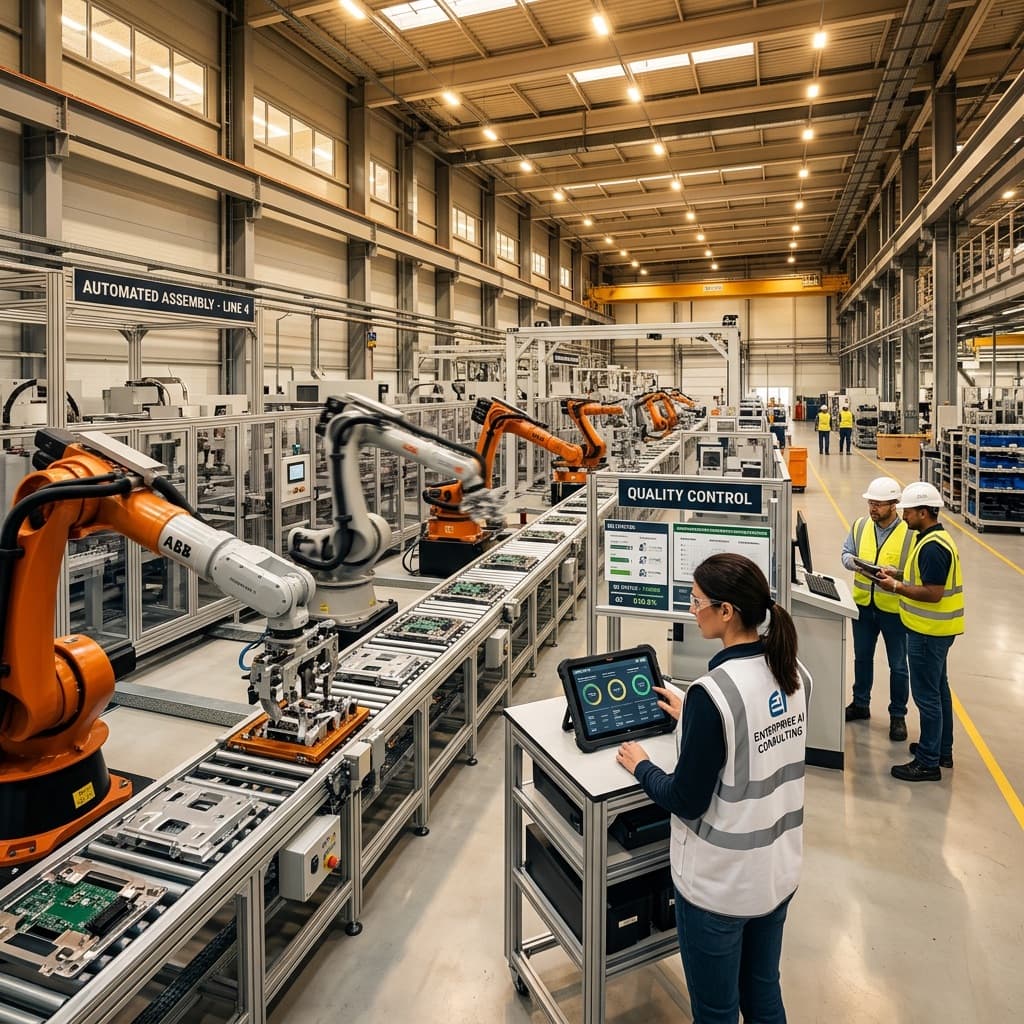
Manufacturing
Built around modern production environments, our AI agents optimize production planning, predictive maintenance, quality assurance, inventory management, and factory operations.
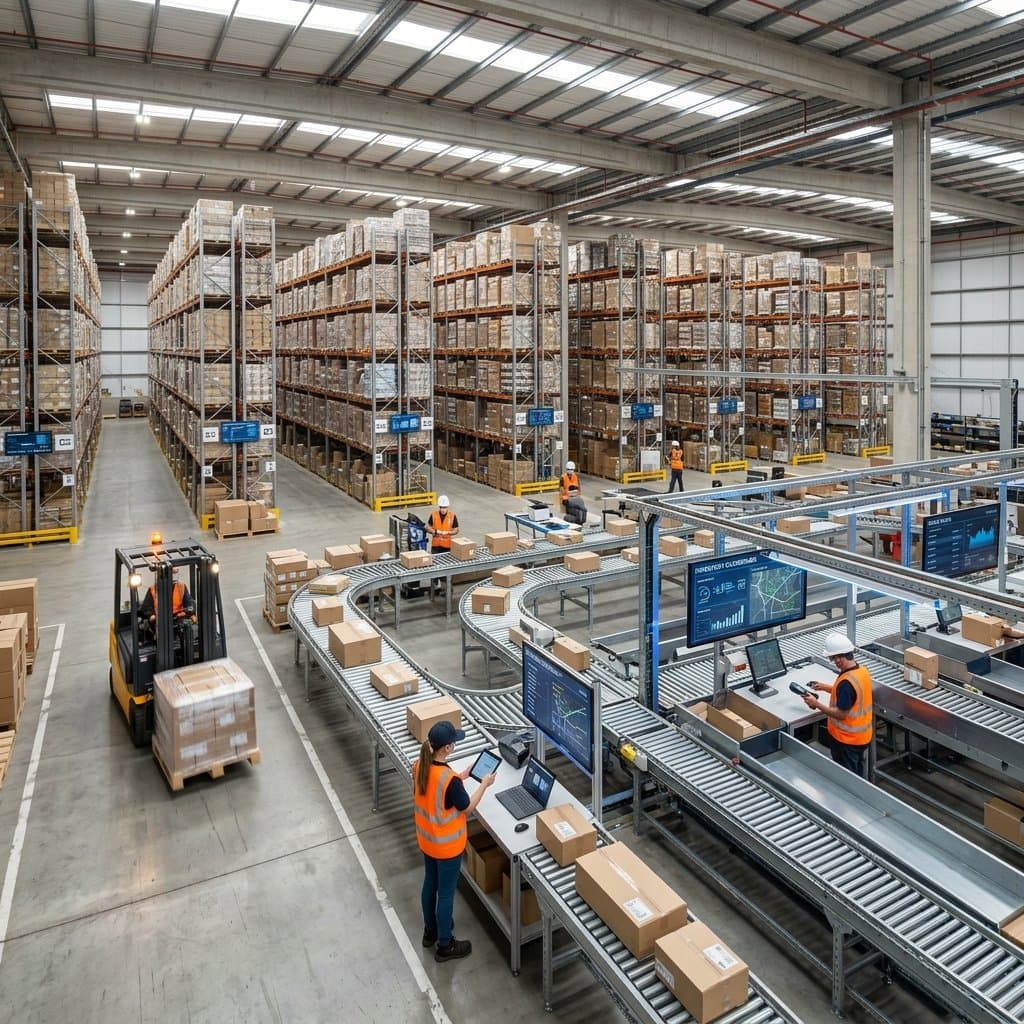
Supply Chain & Logistics
Supply chain leaders use our AI agent development services to automate warehouse operations, optimize route planning, improve procurement, and strengthen inventory visibility across the logistics network.

Real Estate
Purpose-built AI agents help real estate businesses streamline property discovery, lead qualification, document management, market intelligence, and customer engagement throughout the buying journey.

Education
Educational institutions and EdTech providers leverage Antier's AI agents to personalize learning experiences, automate student support, simplify administration, and enhance academic outcomes.

Telecommunications
For telecommunications providers, our AI agents improve customer support, automate service provisioning, strengthen network monitoring, and optimize operational efficiency.

Media and Entertainment
AI agents built by Antier accelerate content creation, audience engagement, recommendation engines, digital asset management, and production workflows.

Travel and Hospitality
Hotels, travel platforms, and hospitality businesses benefit from AI agents that automate bookings, itinerary planning, guest assistance, and personalized travel experiences.

Energy and Utilities
Our AI agent development expertise enables energy companies to improve asset monitoring, predictive maintenance, operational planning, compliance reporting, and customer service.

Government and Public Sector
Government organizations can streamline citizen services, document processing, case management, and knowledge retrieval through secure AI agents developed by Antier.

Legal Services
Law firms and legal departments utilize our AI agents to accelerate legal research, contract review, document drafting, compliance management, and case preparation.
Human Resources
From recruitment and employee onboarding to policy assistance and workforce analytics, Antier develops AI agents that modernize HR operations and improve employee experiences.

Information Technology and SaaS
Technology companies trust our AI agents to automate technical support, strengthen DevOps workflows, improve knowledge management, and enhance customer success.
Marketing and Advertising
Marketing teams use AI agents developed by Antier to automate campaign execution, generate content, qualify leads, analyze customer behavior, and optimize marketing performance.
Our AI Agent Development Process: From Strategy to Autonomous Execution
At Antier, we follow a structured AI agent development process that covers strategy, architecture, development, integration, deployment, and continuous optimization, ensuring every AI agent delivers measurable business value from day one.
AI Strategy and Discovery
Every engagement begins with understanding your business goals, existing workflows, operational challenges, and automation opportunities. This discovery phase helps define where AI agents can create the greatest business impact.
Use Case Definition and Agent Architecture
Based on the assessment, we identify high-value AI agent use cases and design an architecture that defines agent responsibilities, decision-making capabilities, orchestration logic, and system interactions.
Knowledge and Data Preparation
Relevant enterprise data, business rules, documentation, knowledge bases, and information sources are organized and prepared to provide AI agents with accurate business context.
AI Agent Development
Our engineers build custom AI agents by combining large language models, reasoning frameworks, memory, planning capabilities, and tool integrations tailored to your business requirements.
Workflow and Tool Integration
AI agents are connected with enterprise applications, APIs, databases, CRMs, ERPs, communication platforms, and business tools, enabling them to execute real-world business tasks.
Testing and Agent Validation
Each AI agent undergoes rigorous testing to validate reasoning accuracy, workflow execution, security, performance, reliability, and overall business readiness before deployment.
Deployment and Enterprise Rollout
Following successful validation, AI agents are deployed within your business environment with appropriate governance, monitoring, user enablement, and operational controls.
Continuous Learning and Optimization
AI agents continue to evolve after deployment. Ongoing monitoring, performance analysis, knowledge updates, workflow enhancements, and capability expansion ensure long-term business value.
The Antier Advantage in AI Agent Development: Why Businesses Choose Us?
Organizations choose us as their reliable AI agent development company for our expertise in AI engineering, enterprise integration, and secure delivery.
Business-Centric Approach
Every AI agent is designed around your business objectives, workflows, and industry requirements to solve real operational challenges.
Transparent Delivery
Defined milestones, agile execution, and regular communication ensure complete visibility throughout the AI agent development lifecycle.
Security and Responsible AI
Every solution is developed within secure, NDA-backed environments supported by responsible AI practices and enterprise-grade security standards.
Competitive Pricing
Flexible engagement models and competitive pricing help organizations build AI agents that align with their business goals, timelines, and budgets.
Scalable AI Agent Architectures
Our AI agent architectures are built to scale from individual AI assistants to enterprise-wide multi-agent ecosystems.
Continuous Optimization and Support
Post-deployment support, performance optimization, and knowledge updates ensure your AI agents continue to evolve with your business.
How Much Does AI Agent Development Cost?
The cost of developing an AI agent depends on its intelligence, capabilities, integrations, and deployment requirements. At Antier, every AI agent is designed around your business objectives, ensuring you invest in a solution that aligns with your operational needs and long-term growth.
AI Agent Complexity
Simple task-specific AI agents require less development effort than autonomous AI agents or multi-agent systems capable of planning, reasoning, and executing complex workflows.
Agent Intelligence and Reasoning
The level of reasoning, memory, decision-making, planning, and autonomy built into an AI agent directly influences development time and engineering effort.
Knowledge Base and Data Preparation
Preparing enterprise knowledge, business documents, databases, and other information sources is essential for building AI agents that deliver accurate and context-aware responses.
Enterprise Integrations
Connecting AI agents with CRMs, ERPs, APIs, databases, communication platforms, and other business applications impacts implementation complexity and overall development cost.
Workflow Automation Requirements
AI agents designed to automate multi-step workflows, coordinate across systems, or execute business actions require additional development and orchestration capabilities.
AI Models and Technology Stack
The choice of large language models, reasoning frameworks, RAG architecture, memory systems, and agent frameworks plays an important role in determining project costs.
Deployment and Infrastructure
Whether deployed on the cloud, on-premises, or within a hybrid environment, infrastructure, scalability, security, and performance requirements influence the overall investment.
Support and Continuous Optimization
Post-deployment services such as performance monitoring, knowledge updates, feature enhancements, and ongoing optimization help AI agents continue delivering long-term business value.
Our AI Agent Development Technology Stack
We combine industry-leading AI models, agent frameworks, orchestration technologies, vector databases, and enterprise infrastructure to build secure, scalable, and production-ready AI agents tailored to complex business environments.
Foundation Models
AI Agent Frameworks
RAG & Knowledge Frameworks
Vector Databases
AI Agent Memory & Caching
Enterprise Integrations
Programming Languages
Cloud & AI Infrastructure
AI Deployment & MLOps
Security & Observability
AI Agent Security, Compliance & Governance Standards We Follow
Antier follows security-first engineering practices and compliance-driven development standards to help organizations deploy AI agents responsibly across regulated and business-critical environments.
Privacy-First Data Protection
AI agents are developed with strong data protection practices, including role-based access controls, encryption, secure data handling, and privacy-by-design principles to safeguard sensitive business information.
Regulatory Compliance
Our AI agent development services support compliance requirements across industries, including GDPR, HIPAA, SOC 2, ISO 27001, and other applicable regulatory and organizational standards.
AI Governance & Human Oversight
We implement governance frameworks that support human-in-the-loop workflows, policy enforcement, audit trails, decision transparency, and responsible AI deployment.
Monitoring & Auditability
Continuous monitoring, activity logging, performance tracking, and audit trails provide complete visibility into AI agent behavior, supporting governance, compliance, and operational accountability.
Confidentiality & Secure Engagements
Every engagement is backed by NDAs, protected development environments, secure code repositories, and strict confidentiality practices to safeguard intellectual property and sensitive business assets.
Spotlight on AI Agent Insights
Explore our latest perspectives on AI agents, agentic AI, multi-agent systems, autonomous workflows, enterprise adoption, and the technologies transforming how businesses operate.
 FinTech AI
The Fintech AI Integration Gap: Why AI Adoption Isn't Turning Into Profit
A maturity framework — Bolted-On, Wired-In, Compounding — for turning AI spend into compounding returns in financial services. Why 80%+ adoption still leaves most firms without a profitability gain.
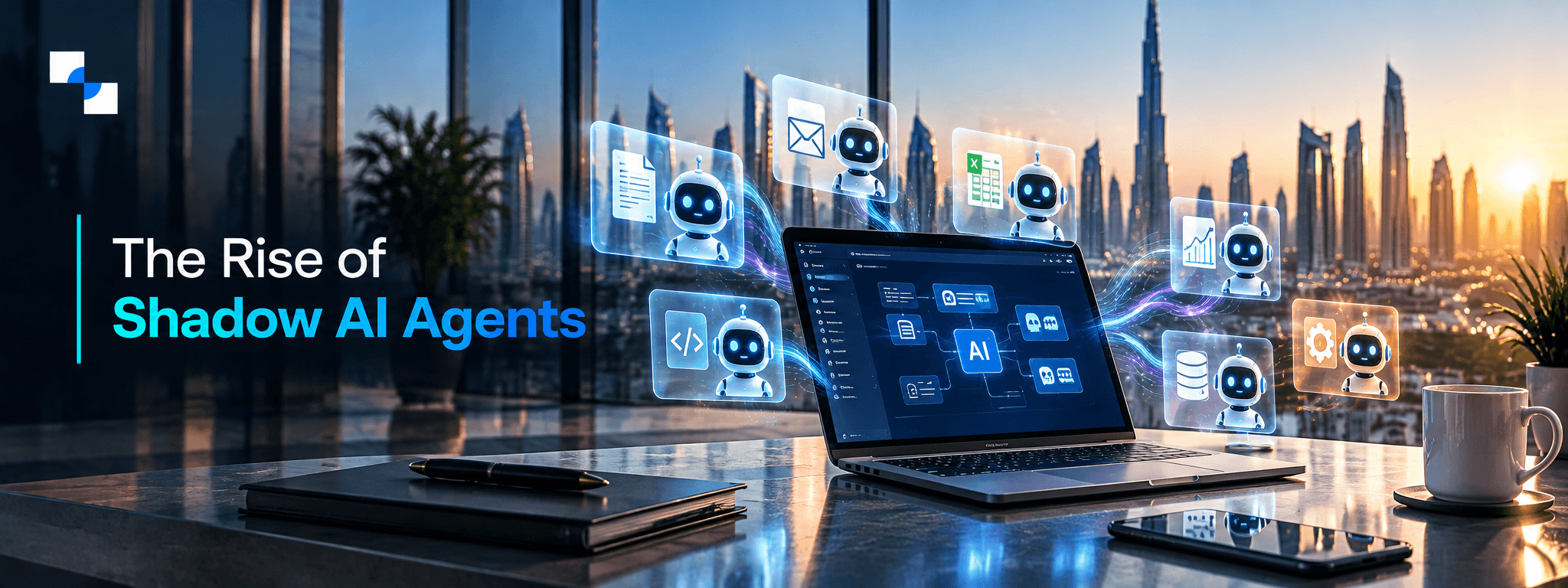 AI Governance
The Rise of Shadow AI Agents: What CIOs Need to Control Before They Scale
Shadow AI agents can act across enterprise systems without central oversight. Learn what CIOs need to discover, govern, secure, and monitor before agentic AI scales.
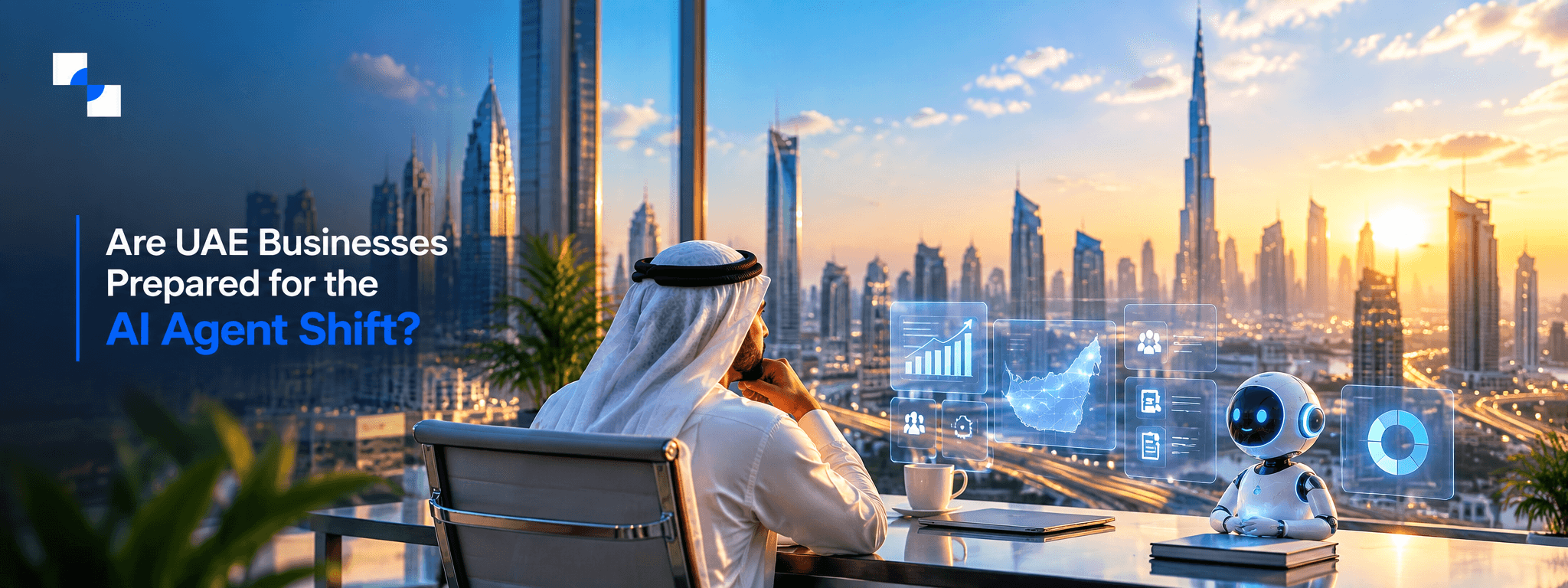 Agentic AI
The UAE Is Moving From AI Assistants to AI Agents: What Business Leaders Need to Prepare For
The UAE is moving beyond AI assistants toward AI agents that reason, plan, and execute tasks. Learn where AI agents fit and what business leaders need to prepare for.
Frequently Asked Questions
Start a conversation with Antier
Connect with our consulting and engineering leads to scope your digital transformation from architecture review to production deployment.