
Computer Vision Development Company
Turn camera, sensor, and imaging data into automated decisions with computer vision systems built for production lines, retail floors, security operations, and clinical imaging workflows.
Antier is a computer vision development company trusted by manufacturing, retail, security, and healthcare organizations to build accurate, production-ready vision systems.











Our Comprehensive Suite of Computer Vision Development Services
Whether you're automating defect inspection on a production line, extracting text from scanned documents, securing a facility with real-time video analytics, or analyzing medical scans, our computer vision development services are built to handle real-world image and video data at production scale.
Object Detection & Recognition
Our object detection development services identify, localize, and classify multiple objects within images and video frames in real time. We build models capable of distinguishing between similar object classes, tracking objects across frames, and operating reliably under variable lighting, occlusion, and camera angles.
Image Classification Systems
We develop image classification models that automatically sort, tag, and categorize visual content at scale, from product catalogs and inventory photos to inspection images and field-collected data. These systems reduce manual review effort while improving consistency across large image volumes.
Visual Search & Similarity Matching
Our visual search capabilities let users find products, parts, or reference images by uploading a photo instead of typing a query. We build similarity-matching pipelines for e-commerce catalogs, spare-parts lookup, and reverse image search use cases.
Automated Visual Quality Inspection
We build machine vision inspection systems that catch surface defects, dimensional variances, and assembly errors on the production line, replacing manual spot checks with consistent, camera-based inspection running at line speed.
Defect Detection & Classification
Beyond flagging a defect, our models classify defect type and severity, so quality teams can distinguish cosmetic flaws from functional failures and route parts accordingly instead of relying on binary pass/fail thresholds.
Assembly & Component Verification
Our vision systems confirm that the correct components are present, correctly oriented, and properly assembled before a unit moves to the next stage, reducing downstream rework and warranty claims caused by assembly errors.
Vision-Guided Process Analytics
We connect inspection results back to production data, so manufacturers can trace recurring defects to specific machines, shifts, or process parameters instead of treating each defect as an isolated event.
Document OCR & Digitization
We build OCR pipelines that extract structured data from invoices, forms, shipping labels, and scanned records, converting paper-based and image-based documents into searchable, usable data.
Scene Text Recognition
Our scene text recognition models read text embedded in real-world images and video, such as signage, packaging, license plates, and container IDs, even when the text is angled, partially obscured, or affected by glare.
Multilingual & Low-Quality Document OCR
For organizations working across regions or with degraded source material, we tune OCR models for multiple languages, mixed scripts, and low-resolution or handwritten inputs where off-the-shelf OCR typically underperforms.
Facial Recognition Systems
We develop facial recognition systems for access control, identity verification, and attendance tracking, designed with configurable consent, retention, and opt-out controls to align with organizational privacy policies.
Liveness Detection & Anti-Spoofing
Our biometric pipelines include liveness detection to distinguish a live person from a photo, video replay, or mask, reducing spoofing risk in identity verification and access control workflows.
Privacy-Preserving Biometric Architecture
We design biometric systems around data minimization principles, on-device matching where feasible, encrypted template storage, and audit logging, so biometric recognition capabilities can be deployed within GDPR, BIPA, and similar regulatory frameworks.
Security & Surveillance Analytics
We build real-time video analytics that detect intrusions, loitering, unattended objects, and perimeter breaches, turning passive camera feeds into an active monitoring layer that alerts security teams to relevant events.
Retail Foot-Traffic & Behavior Analytics
Our retail video analytics track foot traffic, dwell time, queue length, and zone-level engagement across store layouts, giving retail operations teams visibility into customer behavior without relying on manual observation.
Crowd & Occupancy Monitoring
We develop occupancy counting and crowd-density models for venues, transit hubs, and public spaces, supporting capacity management, safety compliance, and space utilization planning.
Loss Prevention & Anomaly Detection
Our vision systems flag anomalous behavior patterns at point-of-sale and in-aisle, such as scan-avoidance or unusual item handling, to support loss-prevention teams without requiring constant live monitoring.
Medical Imaging Analysis
We build computer vision models that assist in analyzing radiology, pathology, and diagnostic imaging, supporting detection and measurement tasks as part of a clinical workflow alongside qualified radiologists and pathologists.
Satellite & Aerial Imagery Analysis
Our satellite and drone imagery analysis capabilities support land-use classification, infrastructure monitoring, crop health assessment, and change detection across large geographic areas over time.
Agricultural & Environmental Imaging
We develop vision models that assess crop health, detect pest and disease patterns, and estimate yield from aerial and ground-based imagery, helping agribusinesses move from field-level guesswork to imagery-based decisions.
3D & Depth-Based Vision
For applications requiring spatial accuracy, we build vision systems using stereo cameras, LiDAR, and depth sensors to measure volume, detect collisions, and support robotic guidance beyond what 2D imagery alone can provide.
Edge AI Vision Deployment
We deploy vision models directly onto cameras, industrial PCs, and edge gateways so inference happens on-site with low latency, without depending on constant cloud connectivity or incurring ongoing bandwidth costs for raw video.
Model Optimization & Compression
Through quantization, pruning, and architecture selection, we compress vision models to run within the compute and power constraints of edge hardware while preserving the accuracy required for production use.
Vision Pipeline Integration
We integrate vision system outputs with PLCs, SCADA systems, MES platforms, and access-control hardware, so detection events trigger real actions in business systems instead of sitting in a dashboard.
Get a computer vision system built around your camera infrastructure and data
Discuss Your Use Case ↗Why Antier Stands Among Leading Computer Vision Development Companies
Years of Experience
AI & Tech Experts
Global Clients
Projects Delivered
Our Computer Vision Success Stories That Delivered Measurable Impact
Our case studies show how manufacturing, retail, security, and healthcare organizations have used computer vision to automate inspection, monitoring, and analysis work that previously depended on manual review.
 Sales AI
Turn Every Sales Conversation into Closure
An AI-powered Lead-to-Closure platform that supports sales teams before, during, and after every call, turning conversations into tasks, proposals, MoMs, and CRM updates in real time.
Read more ↗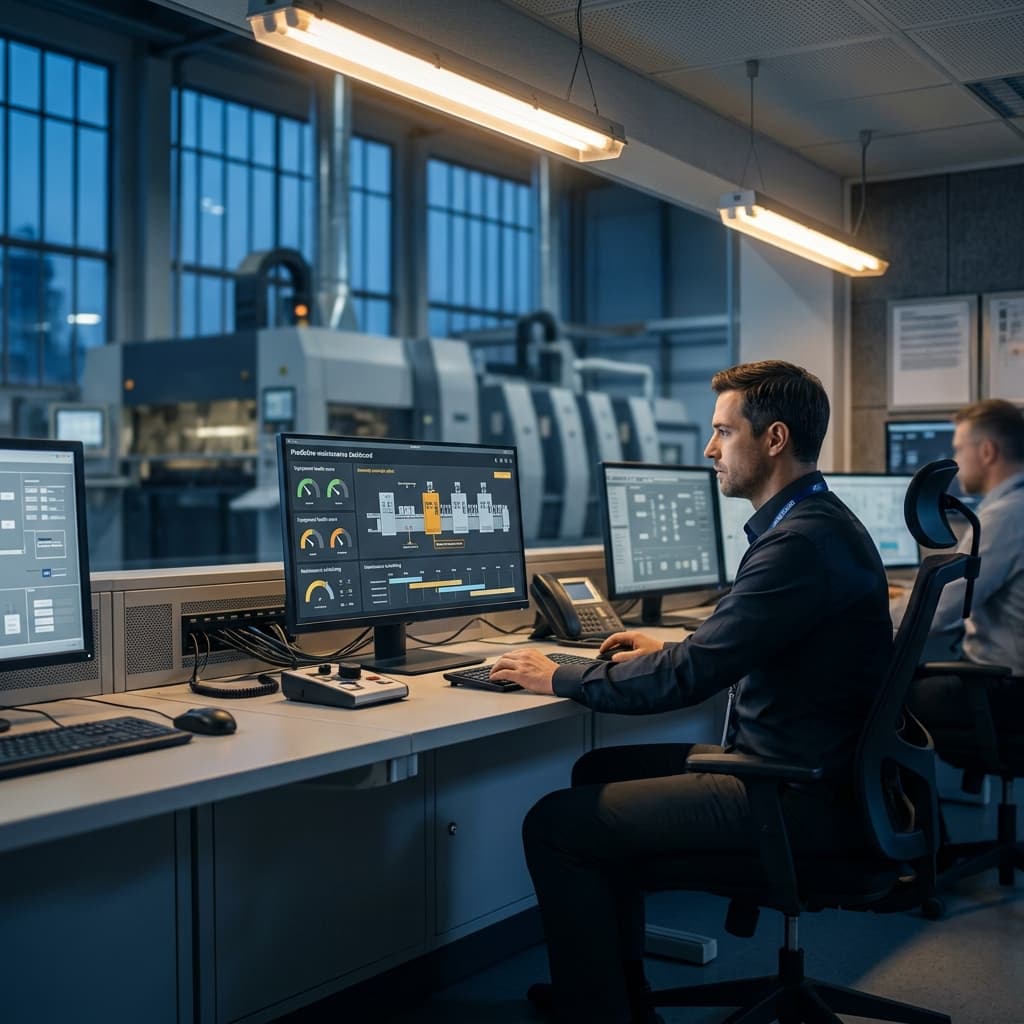 Manufacturing
AI-Powered Predictive Maintenance Solution for the Manufacturing Industry
The manufacturing industry faces unexpected equipment failures and costly downtime. This case study covers an AI-powered predictive maintenance solution.
Read more ↗ Education
Conversational AI Voice Agent for Mishkat Metaverse
Antier engineered a bilingual conversational AI Voice Agent for Mishkat Metaverse, an immersive education platform commissioned by King Abdullah City for Atomic and Renewable Energy, supporting AI-powered learning at a national scale.
Read more ↗Antier's Computer Vision Expertise Validated by Clients and Industry Recognition
The trust we earn from clients is reinforced by verified reviews, successful vision deployments, and long-term engagements across manufacturing, retail, security, and healthcare environments.
Antier built a defect detection system that now runs on our production line around the clock. The model catches issues our manual inspectors were missing during high-volume shifts, and the team was transparent about accuracy trade-offs throughout development.
We needed a video analytics solution that could handle dozens of store locations without a massive infrastructure overhaul. Antier's team understood the edge deployment constraints and delivered a system that actually runs reliably in-store.
The OCR and document processing pipeline Antier built for us handles a much wider range of document quality than our previous vendor's solution. Their engineers were responsive and clearly understood the operational realities of scanned paperwork.
Partner with a computer vision company trusted across manufacturing, retail, security, and healthcare
Talk to Our Team ↗Computer Vision Market Trends & Investment Outlook
Investment in computer vision, machine vision inspection, video analytics, and edge AI continues to accelerate as organizations look to automate visual inspection, monitoring, and analysis work at scale.
Global Computer Vision Market by 2030
The global computer vision market was valued at approximately USD 19.82 billion in 2024 and is projected to reach USD 58.29 billion by 2030, growing at a CAGR of nearly 20% as adoption expands across manufacturing, retail, security, and healthcare.
Source: Grand View Research
Global Machine Vision Market by 2030
The machine vision market, which covers automated visual inspection and quality control on production lines, is projected to reach approximately USD 41.7 billion by 2030, with quality assurance and inspection remaining the largest application segment.
Source: Grand View Research
Global Video Analytics Market by 2030
The video analytics market, spanning security surveillance and retail behavior analytics, is projected to grow from roughly USD 10 billion in 2023 to USD 42.7 billion by 2030, driven by rising demand for real-time monitoring and automated event detection.
Source: Grand View Research
Global Edge AI Market by 2030
The edge AI market is projected to grow from roughly USD 11.8 billion in 2025 to USD 56.8 billion by 2030, at a CAGR of nearly 37%, reflecting rising demand for on-device inference in vision, video, and sensor applications where cloud latency and bandwidth are limiting factors.
Source: BCC Research
Industries We Empower with Computer Vision Development
As a computer vision development company, Antier builds industry-specific vision solutions designed to automate inspection, monitoring, and analysis workflows that depend on image and video data.
Manufacturing
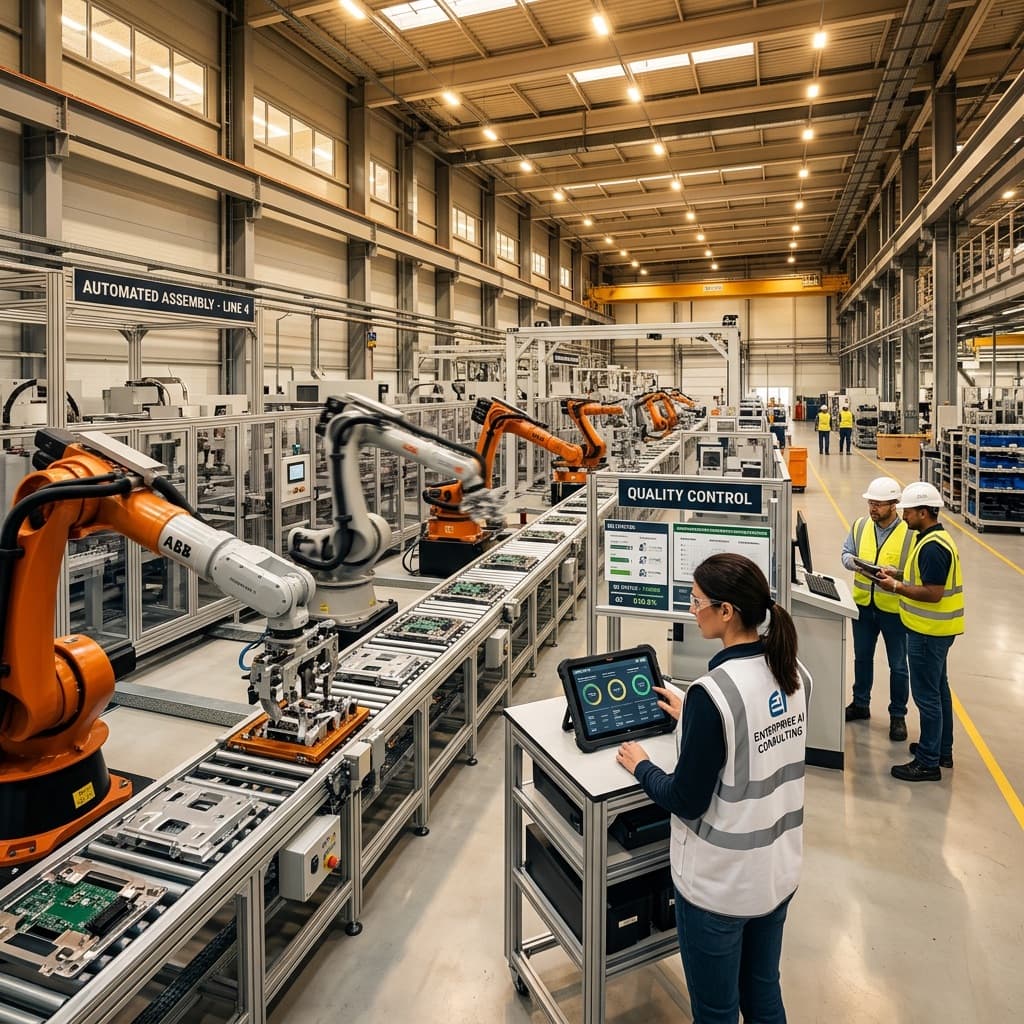
Manufacturers use our computer vision solutions for automated defect detection, assembly verification, and process monitoring, replacing manual spot-checks with consistent, camera-based inspection that runs at production speed.
Retail & Ecommerce
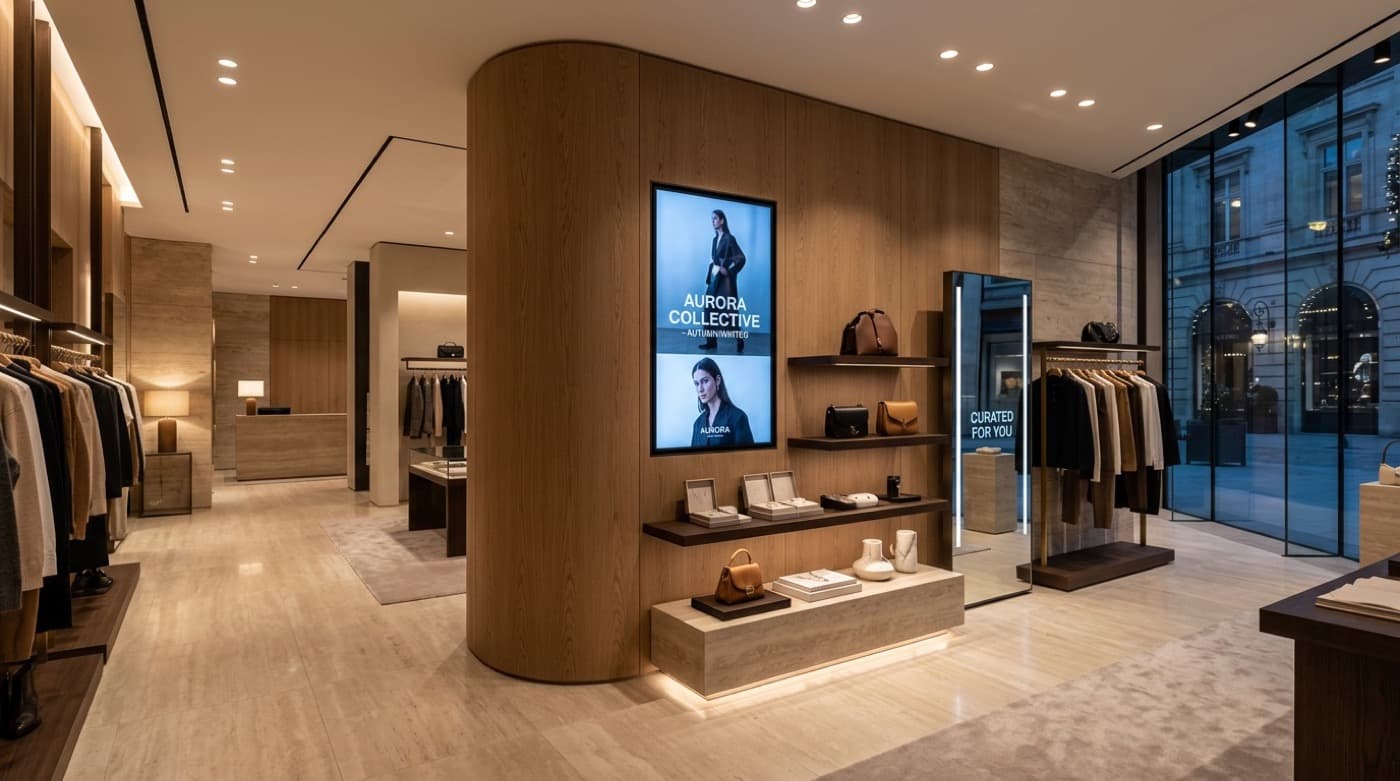
Retailers use our vision systems for foot-traffic analytics, shelf and planogram monitoring, checkout-free experiences, and loss prevention, turning existing camera infrastructure into an operational data source.
Security & Physical Access
Security teams use our video analytics and biometric access solutions for perimeter monitoring, intrusion detection, and identity verification, supported by privacy-conscious architecture and audit controls.
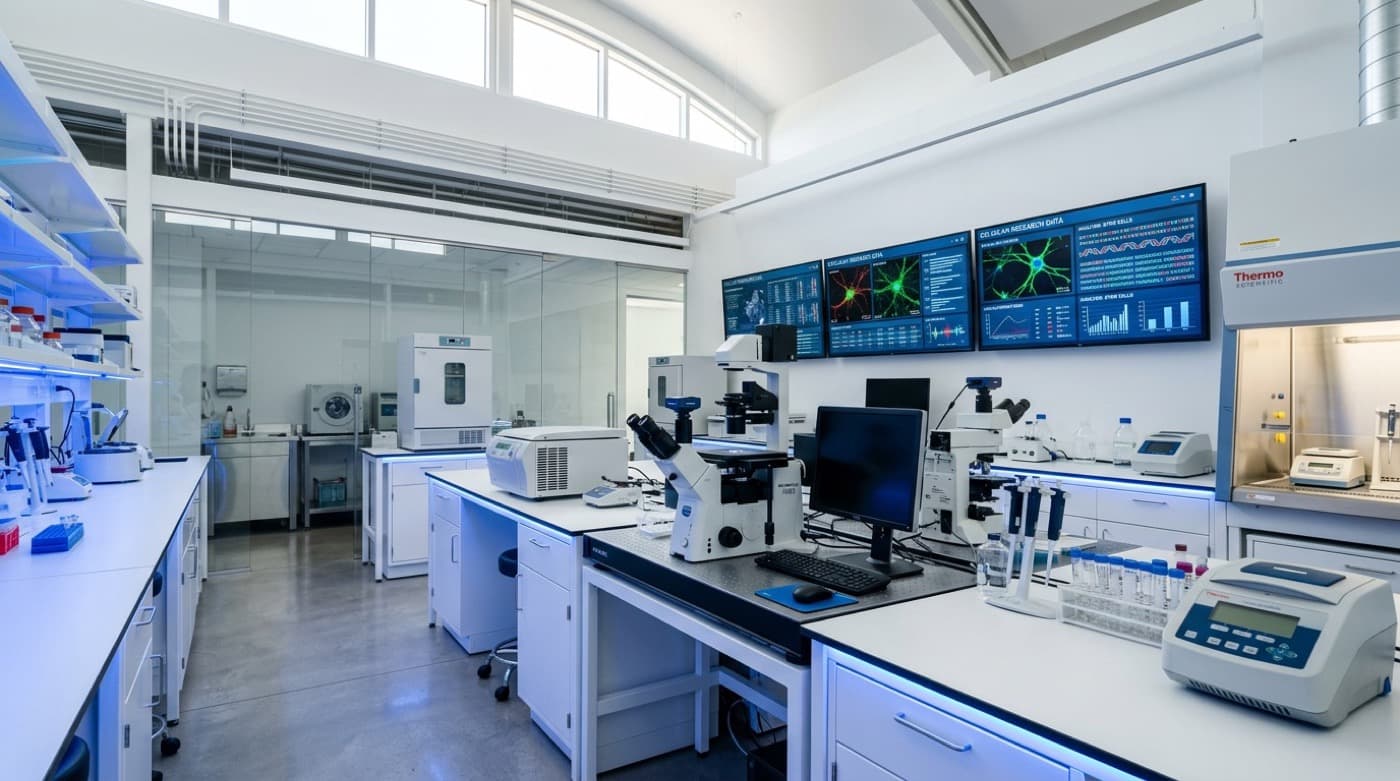
Healthcare & Medical Imaging
Healthcare organizations use our computer vision capabilities to support radiology and pathology image analysis, patient monitoring, and clinical documentation workflows alongside qualified medical staff.
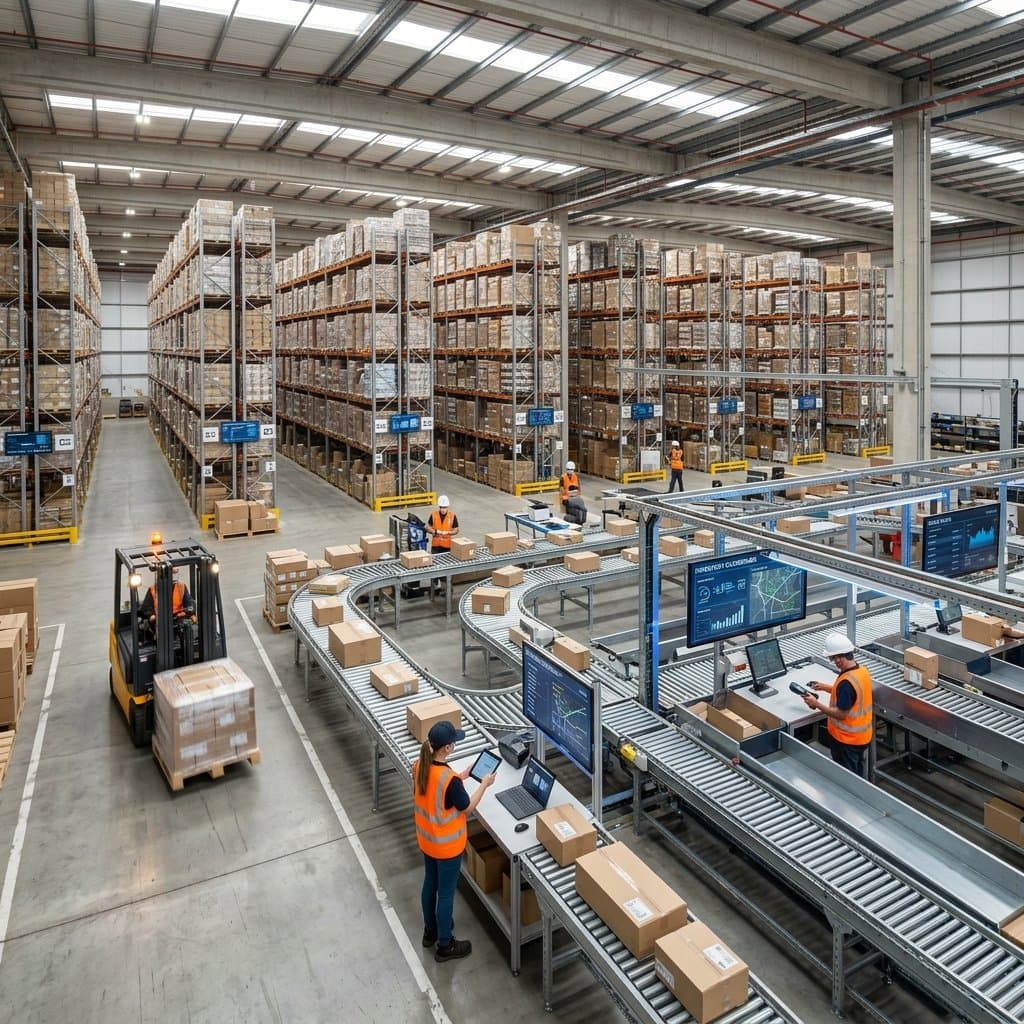
Logistics & Warehousing
Logistics operators use our vision systems for package and label verification, dimensioning, damage detection, and automated sorting to reduce manual handling and misroutes.
Agriculture
Agribusinesses use our satellite, drone, and ground-based imagery analysis for crop health monitoring, pest and disease detection, and yield estimation across large field areas.
Automotive & Transportation
Automotive and transportation organizations use our vision systems for driver monitoring, license plate recognition, and infrastructure inspection using fixed and mobile camera systems.
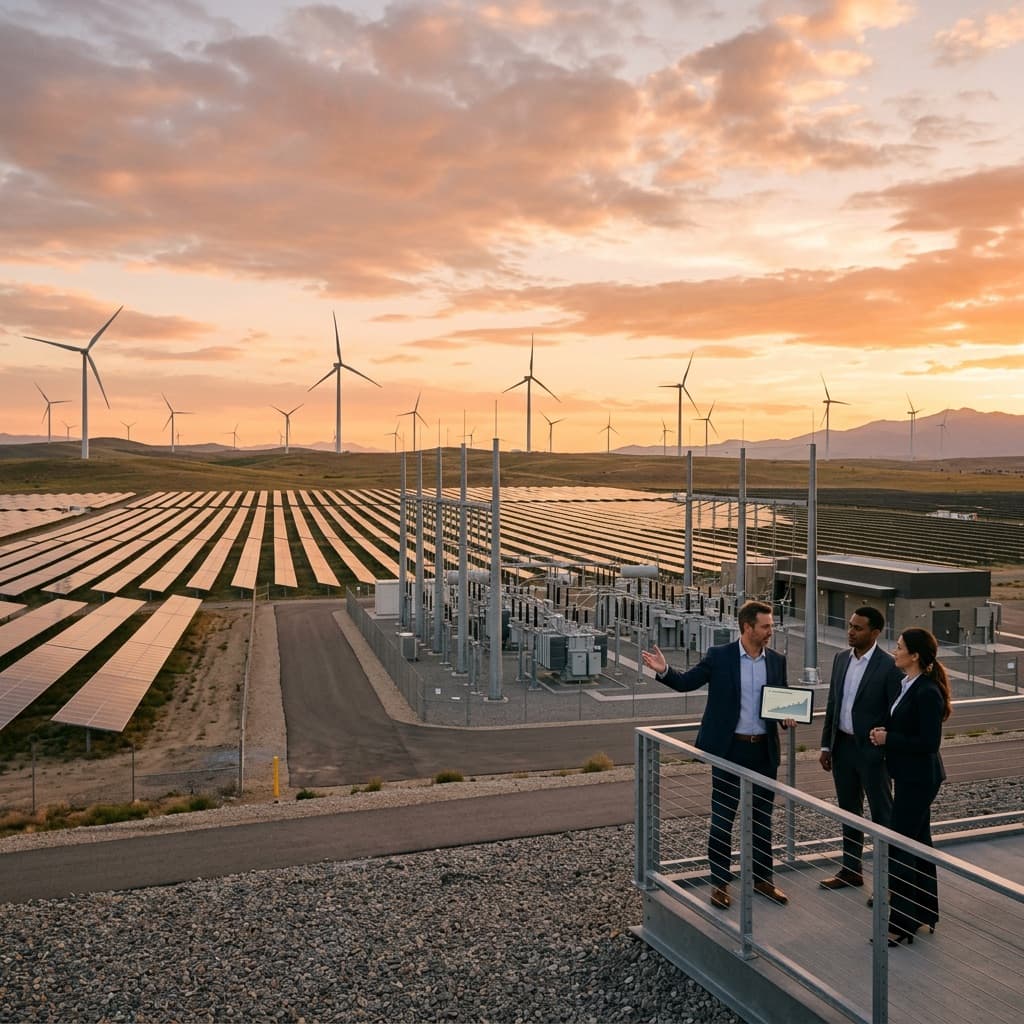
Energy & Utilities
Energy companies use our aerial and satellite imagery analysis for infrastructure inspection, vegetation encroachment monitoring, and asset condition assessment across transmission and pipeline networks.
Our Computer Vision Development Process: From Data to Deployment
Antier follows a structured computer vision development process that accounts for the realities of image and video data, from data collection and labeling through model training, validation, and edge deployment.
- 1
Discovery & Use Case Definition
We start by understanding the visual task, the operating environment, camera or sensor availability, and the accuracy and latency requirements that will define success for the vision system.
- 2
Data Collection & Annotation
We assess existing image and video data, identify gaps, and build or source labeled datasets, using annotation workflows suited to the task, whether that's bounding boxes, segmentation masks, or classification labels.
- 3
Model Selection & Architecture Design
Based on the use case, latency requirements, and deployment target, we select or design the model architecture, balancing accuracy against the compute and power constraints of the intended environment.
- 4
Model Training & Validation
We train models against labeled data and validate performance against real operating conditions, including lighting variation, occlusion, camera angle, and edge cases that off-the-shelf benchmarks rarely capture.
- 5
Pipeline & Integration Engineering
We build the surrounding pipeline, camera or sensor ingestion, preprocessing, inference, and output handling, and connect it to the business systems, alerts, or dashboards that need to act on the results.
- 6
Edge or Cloud Deployment
Depending on latency, bandwidth, and privacy requirements, we deploy the vision system to edge hardware, cloud infrastructure, or a hybrid architecture, optimizing the model for the target compute environment.
- 7
Testing & Field Validation
Before full rollout, we test the system under real operating conditions, measure accuracy against ground truth, and tune thresholds to balance false positives against missed detections for the specific use case.
- 8
Monitoring & Continuous Improvement
After deployment, we monitor model performance for drift caused by changing lighting, camera wear, seasonal variation, or process changes, and retrain or recalibrate the system as conditions evolve.
Ready to move your computer vision use case from pilot to production?
Schedule a Vision Consultation ↗Why Businesses Choose Antier for Computer Vision Development
Organizations partner with Antier for computer vision development because of our practical approach to data readiness, model accuracy, and production deployment, not just prototype demonstrations.
Transparency
We communicate accuracy trade-offs, data limitations, and model performance clearly throughout development, so stakeholders understand what the system can and cannot reliably detect before it reaches production.
Competitive Pricing
Antier offers flexible engagement models suited to pilot projects, single-site deployments, and multi-site rollouts, helping organizations validate computer vision use cases before committing to large-scale investment.
Deployment-First Engineering
We design vision models with the target deployment environment in mind from day one, whether that's an edge device on a factory floor or a cloud pipeline processing retail camera feeds, rather than treating deployment as an afterthought.
Confidentiality & Security
As a trusted computer vision development company, Antier operates within NDA-backed engagements supported by secure infrastructure and controlled access to sensitive image, video, and biometric data.
How Our Computer Vision Solutions Address Complex Business Challenges
Deploying computer vision in real operating environments raises challenges that go beyond model accuracy in a lab setting. Through our computer vision development services, Antier helps organizations address these issues directly.
How Much Does It Cost to Develop a Computer Vision Solution?
As an experienced computer vision development company, Antier focuses on the key factors that influence the cost of building and deploying accurate, production-ready vision systems.
Task Complexity
Simple classification tasks typically require less development effort than multi-object detection, segmentation, or systems that must distinguish between visually similar defect types or objects.
Data Availability & Annotation Needs
Projects starting with limited or unlabeled image data require additional investment in data collection and annotation before model development can begin in earnest.
Accuracy & Reliability Requirements
Use cases with low tolerance for error, such as medical imaging analysis or safety-critical inspection, typically require more extensive validation, testing, and model refinement.
Deployment Environment
Edge deployment on custom hardware, cloud-based processing, and hybrid architectures each involve different infrastructure, optimization, and integration effort.
Camera & Sensor Infrastructure
Whether the project uses existing cameras or requires new camera, lighting, or sensor hardware affects both upfront cost and installation complexity.
Integration Requirements
Connecting vision outputs to PLCs, access-control systems, business applications, or alerting infrastructure adds engineering effort beyond the core model development.
Regulatory & Compliance Scope
Biometric recognition and medical imaging use cases often require additional governance, documentation, and compliance work aligned to frameworks such as GDPR, BIPA, or HIPAA.
Post-Deployment Monitoring & Retraining
Ongoing model monitoring, drift detection, and periodic retraining contribute to the long-term cost of maintaining accuracy as operating conditions change.
Consult us for an accurate cost estimate for your computer vision project
Get a Quote ↗Computer Vision Platforms, Models, and Frameworks We Work With
From detection architectures and annotation platforms to edge inference runtimes and cloud vision APIs, we build computer vision solutions using the technologies best aligned with your data, accuracy, and deployment requirements.
Deep Learning & Vision Frameworks
Object Detection & Segmentation Models
OCR & Document Vision
Edge Inference & Optimization
Cloud Vision & AI Platforms
Data Annotation & Dataset Management
MLOps & Model Lifecycle
Looking for the right vision stack for your camera and data environment?
Talk to Our Vision Experts ↗Data Privacy, Security & Compliance in Computer Vision Development
Image, video, and biometric data carry higher privacy sensitivity than most enterprise data types. Our computer vision development services are built around security-first practices and compliance-aware architecture from the outset.
GDPR-Aligned Visual Data Handling
We design image and video processing pipelines with data minimization, purpose limitation, and access controls aligned to GDPR requirements, particularly for systems that capture identifiable individuals.
Biometric-Specific Compliance Controls
Facial recognition and other biometric systems carry specific consent, notice, and retention obligations under frameworks such as BIPA and similar state and national biometric privacy laws. We build consent capture, retention limits, and deletion workflows directly into biometric pipelines.
HIPAA-Ready Medical Imaging Pipelines
For healthcare use cases, we develop medical imaging analysis pipelines that support HIPAA-ready data handling, protected health information safeguards, and secure integration with clinical systems.
On-Device & Edge Processing for Sensitive Data
Where privacy or bandwidth requirements call for it, we process video and biometric data on-device at the edge instead of transmitting raw footage to the cloud, reducing exposure and retention of sensitive visual data.
Access Controls & Audit Logging
Our vision systems include role-based access controls and audit logging for who accessed detection results, footage, or biometric matches, supporting accountability and incident investigation.
Secure Model & Infrastructure Practices
Our development process incorporates secure coding practices, encrypted storage for image and video data, and access-controlled model repositories to protect both the data and the models trained on it.
The Antier Advantage: What Sets Us Apart from Traditional Computer Vision Vendors
| Comparison Factors | Antier | Traditional Computer Vision Vendors |
|---|---|---|
| Vision Service Portfolio | Expertise across object detection, quality inspection, OCR, biometric recognition, video analytics, medical imaging, and satellite imagery analysis | Narrow focus on a single vision use case or industry |
| Edge Deployment Expertise | Strong capabilities in model optimization and deployment across edge devices, industrial PCs, and cloud infrastructure | Limited experience beyond cloud-only inference |
| Real-World Data Handling | Models validated against real operating conditions, including lighting variation, occlusion, and camera-angle changes | Models tuned primarily against clean benchmark datasets |
| Privacy & Biometric Compliance | Purpose-built consent, retention, and data-minimization controls for biometric and video systems | Limited attention to biometric-specific regulatory requirements |
| Industrial System Integration | Deep experience connecting vision outputs to PLCs, SCADA, MES, and business applications | Limited integration beyond a standalone dashboard |
| Post-Deployment Monitoring | Ongoing drift detection, retraining, and performance monitoring after go-live | Limited support once the model is deployed |
| Delivery Transparency | Clear communication of accuracy trade-offs, data limitations, and model performance throughout development | Less transparency around model limitations |
Spotlight on Insights
Our computer vision insights help organizations understand emerging trends, model selection trade-offs, edge deployment strategies, and the technologies shaping visual AI adoption.
 AI Strategy
The State of AI in the Logistics Industry: Executive Insights for Business Leaders
Explore AI in logistics with insights into market trends, business value, implementation strategies, industry examples, and the future of supply chains.
 AI Strategy
What the UAE's 50% Agentic Government Mandate Means for Enterprises?
Discover what the UAE's 50% Agentic AI strategy reveals about the future of enterprise AI. Learn why governance, organizational readiness, and execution matter more than AI adoption alone.
 AI Architecture
RAG vs. Fine-Tuning: A Strategic Guide for Business Leaders
RAG or Fine-Tuning? Go through this blog post to compare business value, costs, governance, scalability, & more factors and choose the right AI architecture.
Still evaluating your computer vision use case or deployment approach?
Talk to Our Computer Vision Consultants ↗Frequently Asked Questions
Start a conversation with Antier
Connect with our consulting and engineering leads to scope your digital transformation from architecture review to production deployment.